Cuban oregano
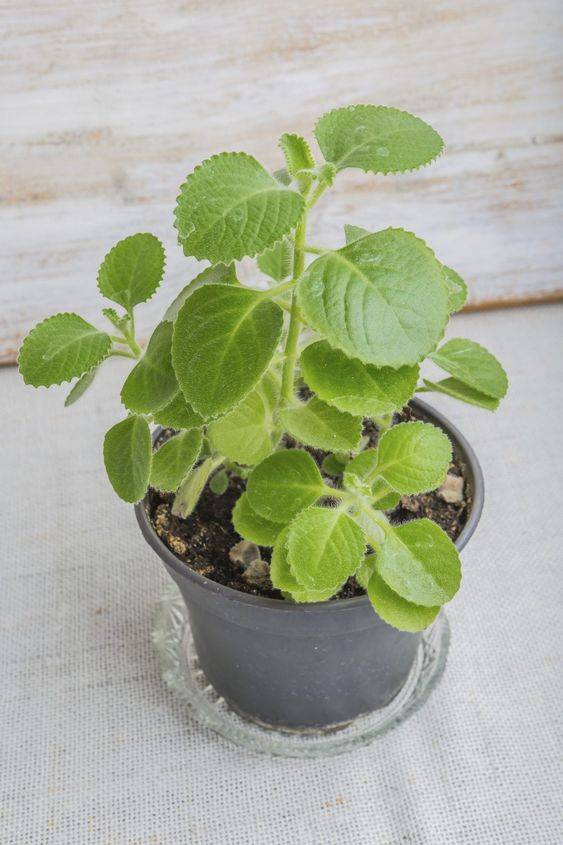
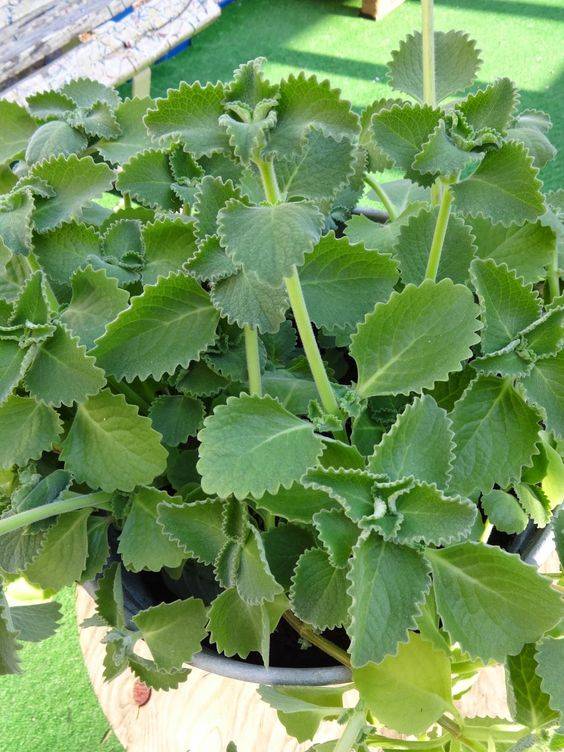
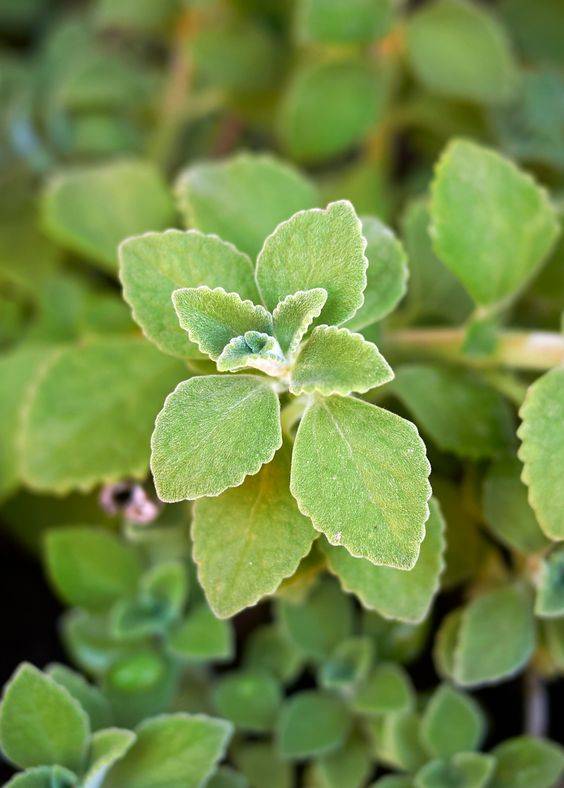
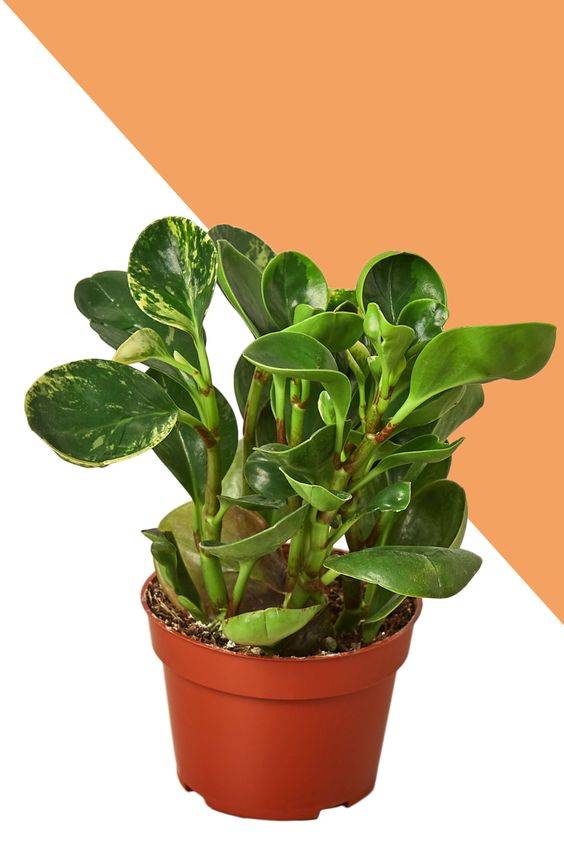
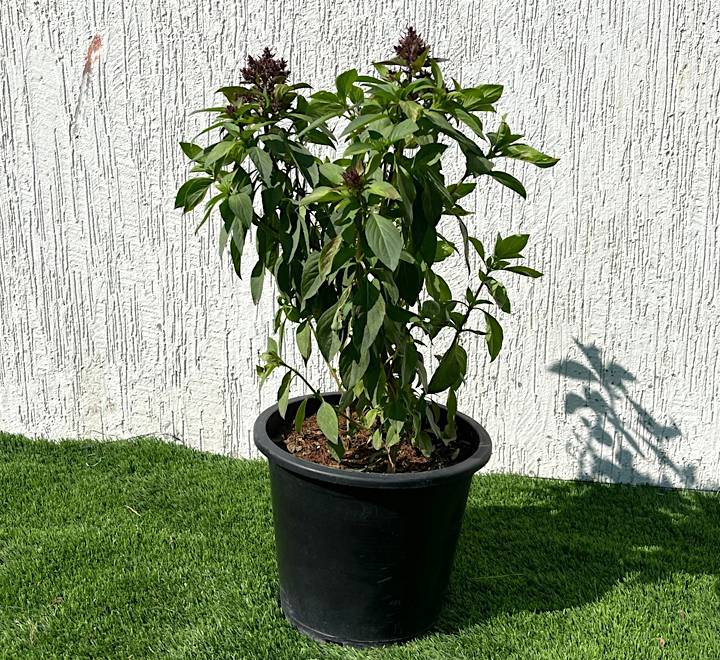
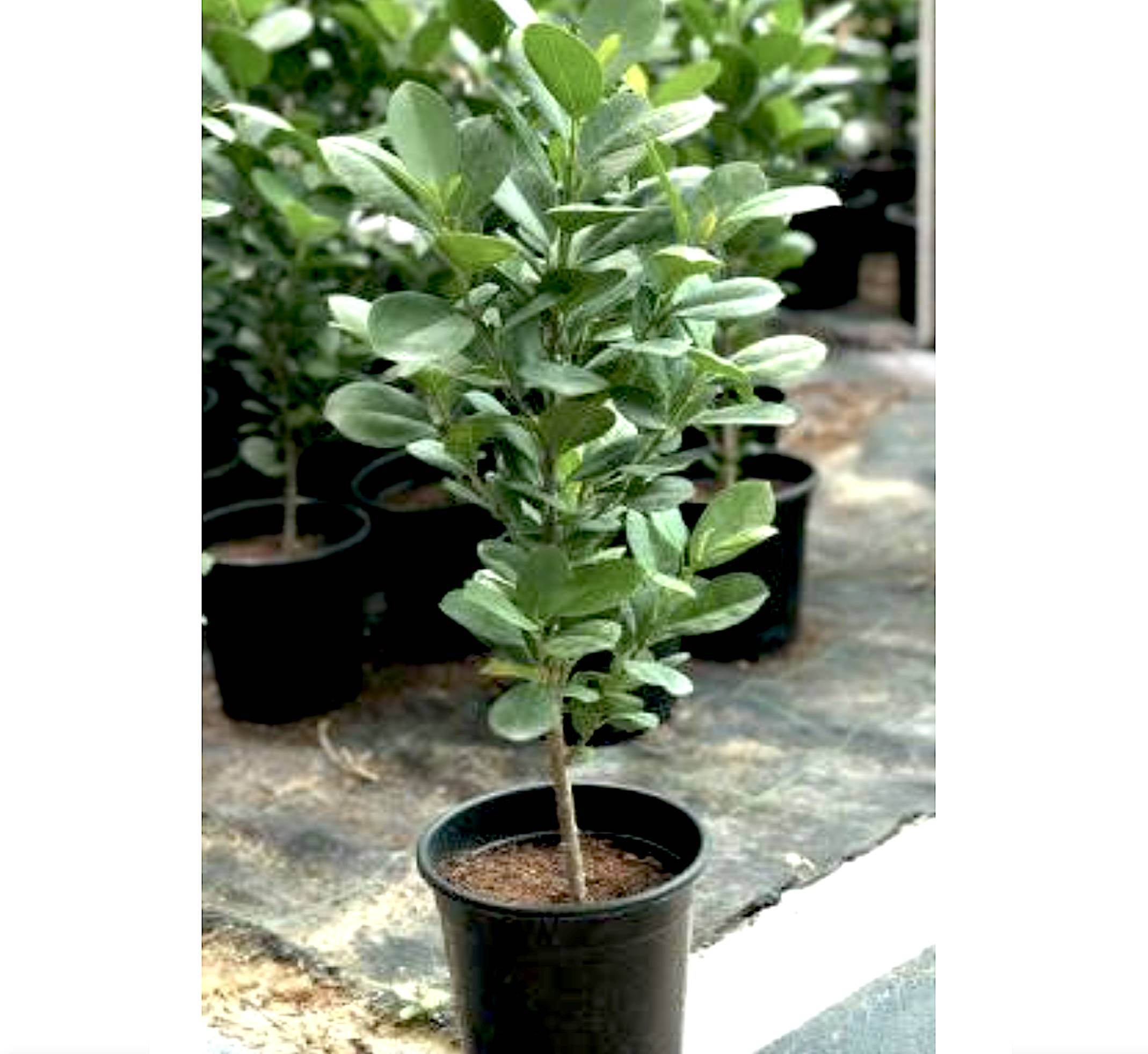
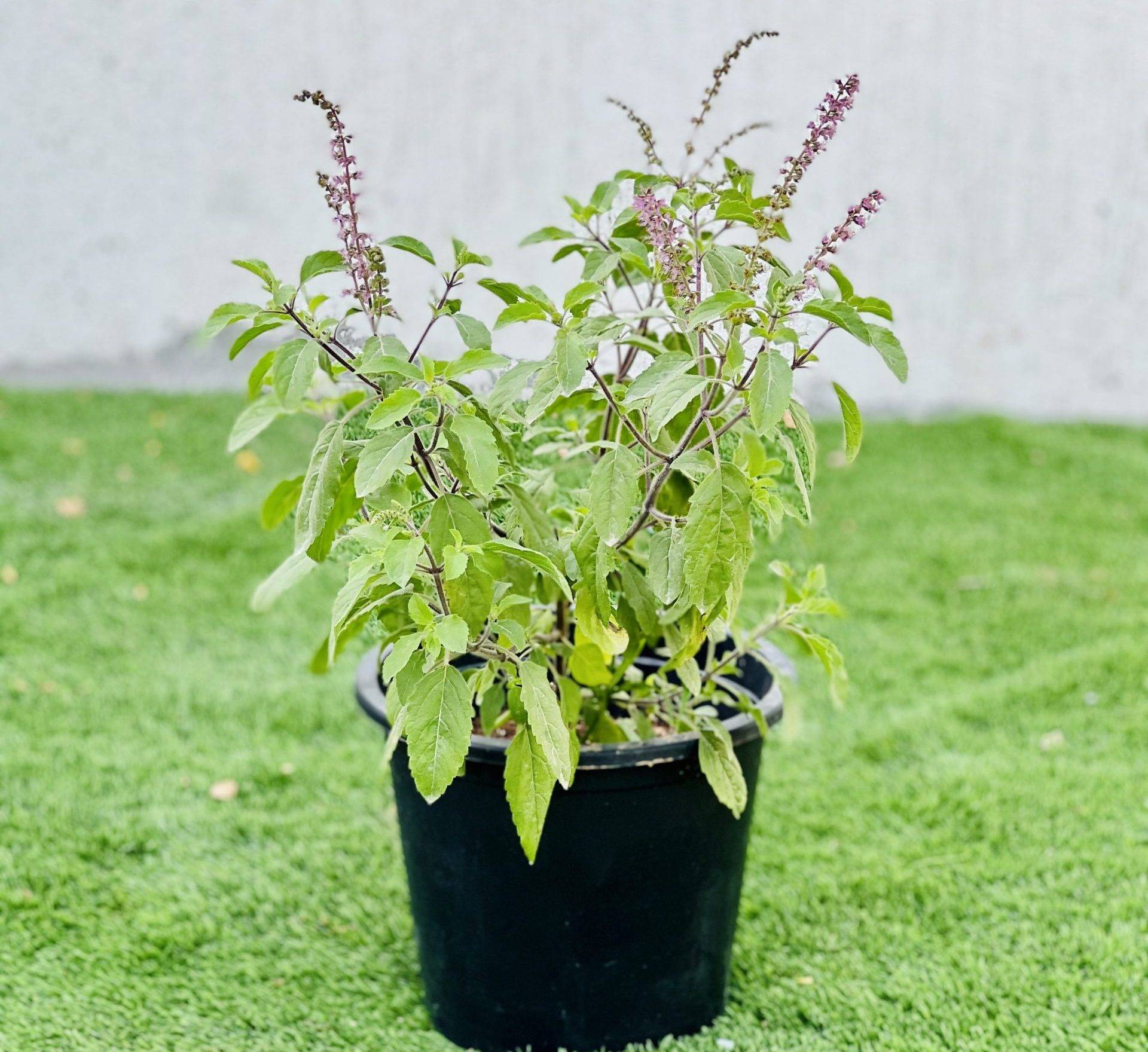
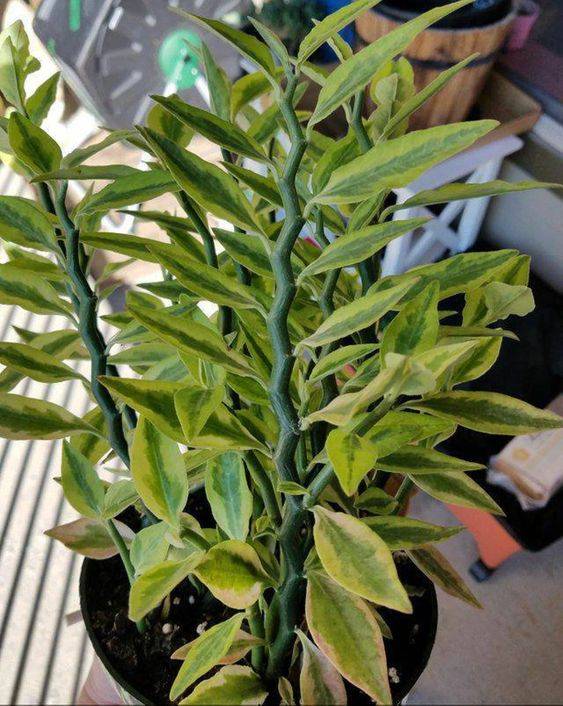
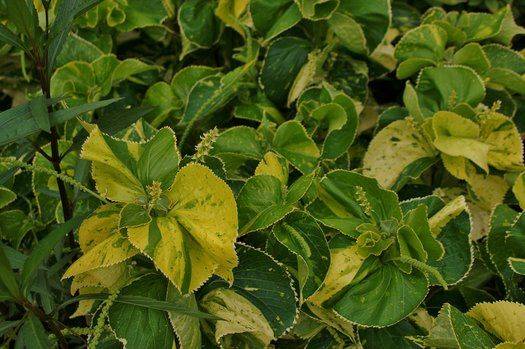
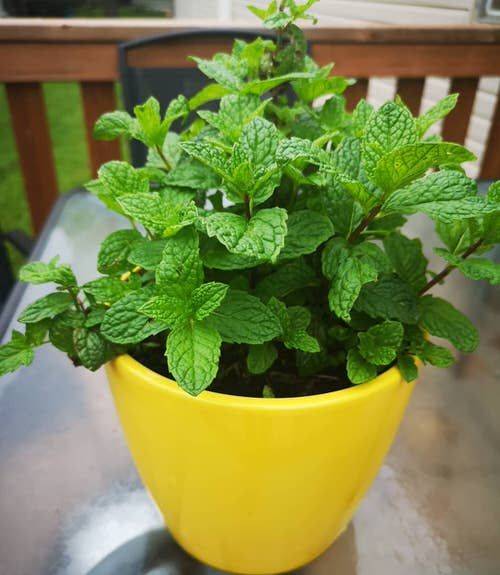
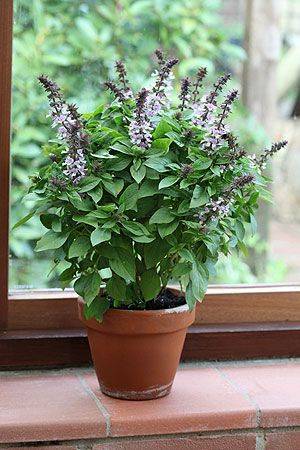
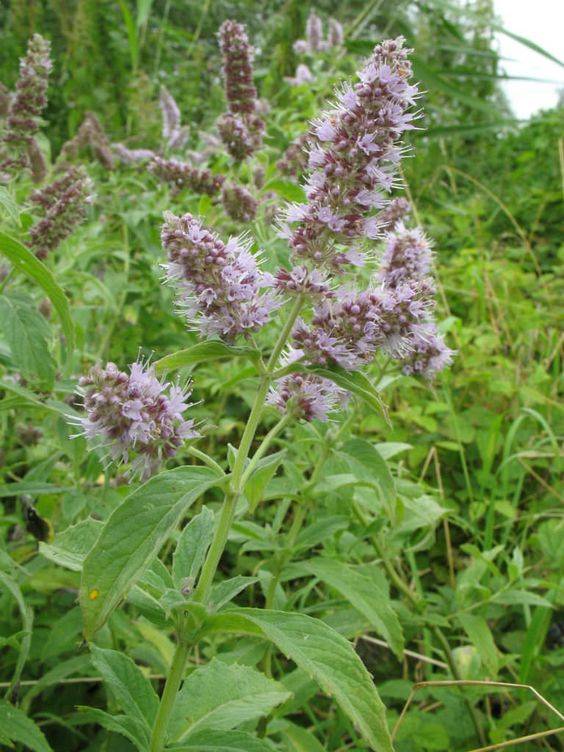
Cuban oregano, scientifically known as Plectranthus amboinicus, is a hardy, succulent herb used for hundreds of years in Caribbean cooking. It has soft ovate leaves with a distinctive smell resembling oregano, thyme, and peppermint. The Cuban oregano plant has stems that resemble succulents, and new growth features more delicate green stems. It has pairs of spherical, thick, and velvety leaves that are arranged around the stem. Although some types have a variegated tint and more deeply toothed margins, the leaves generally have a green appearance with a serrated edge. Cuban oregano is often used also as an ornamental plant. Despite being a perennial, this herb is frequently planted in containers. It is simple to cultivate and manage.
Light: Cuban oregano grows best in partial shade. It requires about 4-6 hours of sunlight every day, preferably in the morning, to keep the leaves from getting sunburned in strong afternoon sunshine.
Soil: Cuban oregano prefers soil with a pH between 6.0 and 7.5. It grows best in sandy, well-drained soil.
Watering: Water your Cuban oregano plant once a week, allowing the top inch of soil to dry out between waterings. It is drought-tolerant once established.
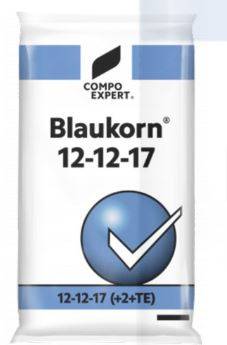
Fertilizing: Fertilize your Cuban oregano plant once every three to four weeks in spring and summer with slow-release 5-5-5 (NPK) fertilizer.
Propagation: Take cuttings from the main stem to encourage bushy growth. Use sterile pruners or scissors to cut roughly a 5-inch portion of healthy stem. Make a diagonal cut just above a leaf node. Strip off any leaves on the bottom half of the cutting. Place it in a container of water in a warm, bright spot but out of direct sun. Refresh the water every few days.
Repotting: Repot or trim roots every 1-2 years.
Sure, here are some step-by-step instructions for caring for Cuban oregano:
Review
Related products
















Contact Info
- Address: Love gardens LLC , nursery warsan 3, Dubai
- Phone: +971 567491900
- Email: gardenplantsonline@gmail.com